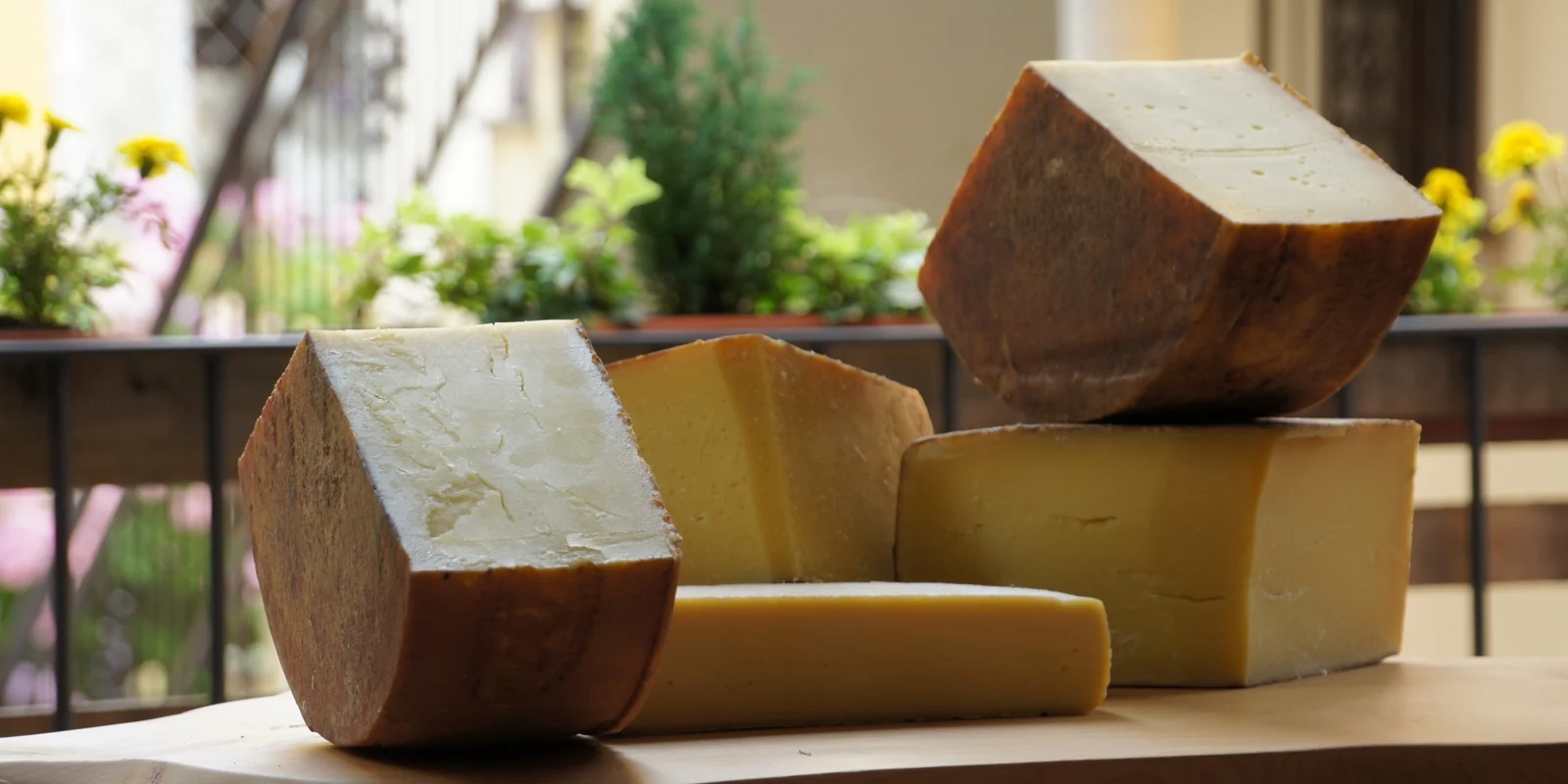
Nostrano Valtrompia DOP
Nostrano Valtrompia DOP connects farming, cheesemaking and the time allowed for maturation. Its texture and aroma reward a slow tasting: comparing different ages reveals the character of this Valle Trompia cheese. Look for its complete protected name to distinguish it from cheeses described simply as “nostrano”.
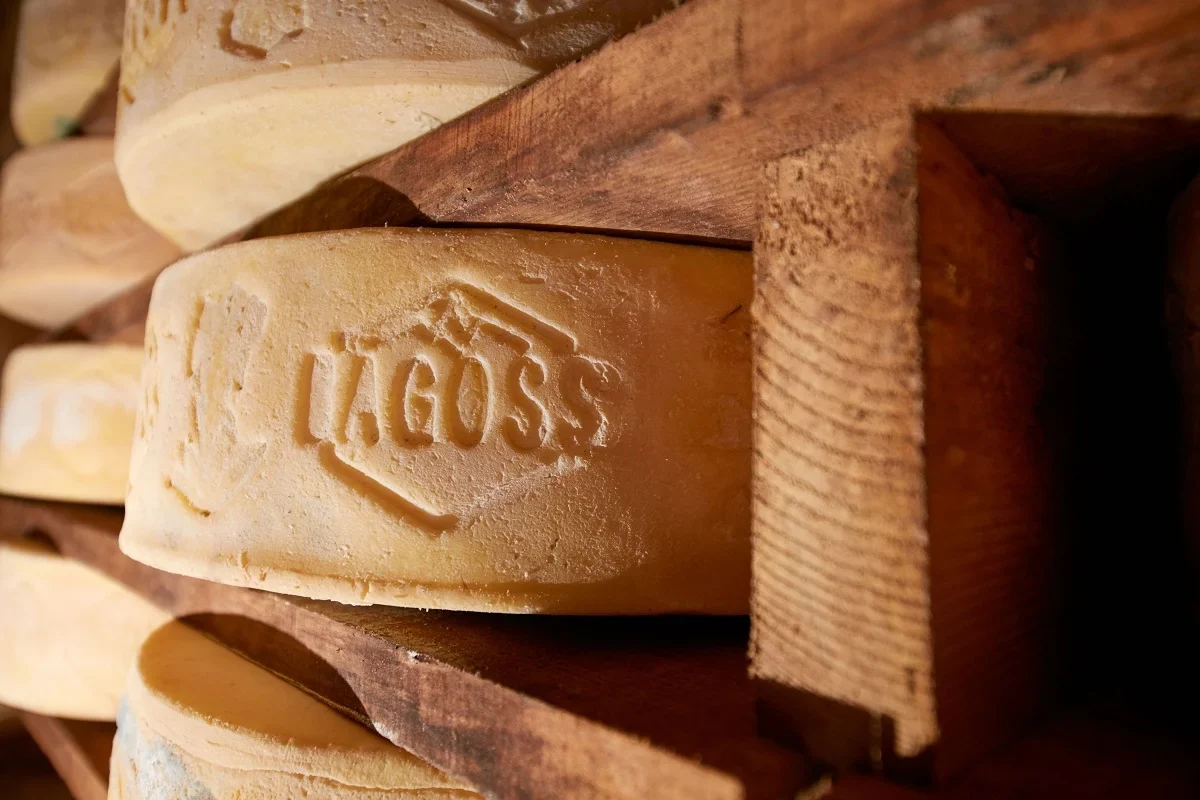
Bagòss from Bagolino
Bagolino has a flavour that bears its name: Bagòss, a cheese with a firm yellow paste and a strong link to the valley’s cheesemaking tradition. Served on a board or used in cooking, it offers a different expression from Nostrano Valtrompia DOP. Ask which age you are tasting and how maturation changes its character.
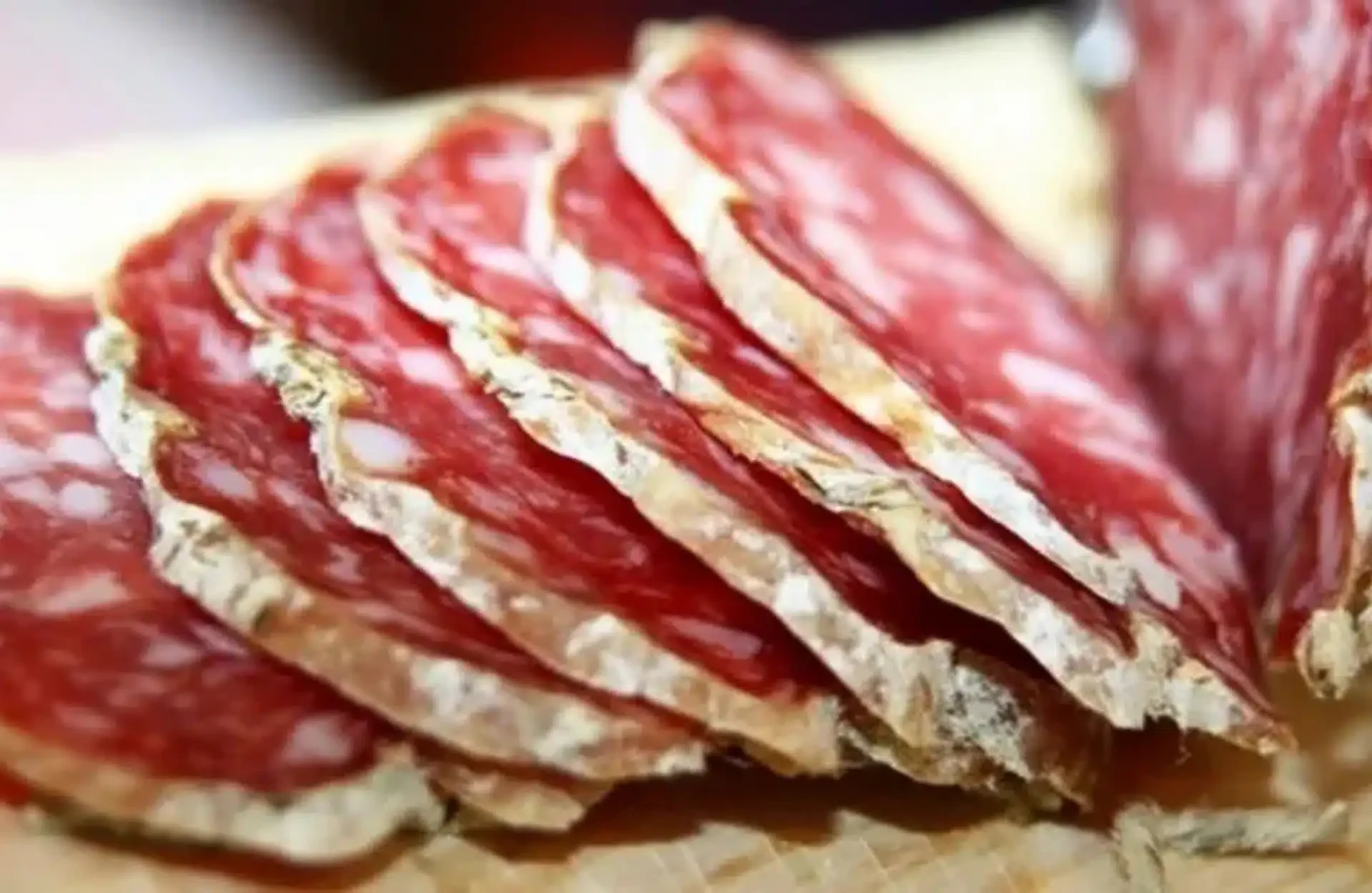
Local salami and cured meats
A shared board is often the start of a mountain meal. Local salami reflects the valleys’ cured-meat traditions, with production and maturation varying between makers. Bread, a freshly cut slice and time around the table all contribute to the experience. Asking who makes it adds a human story to the landscape.
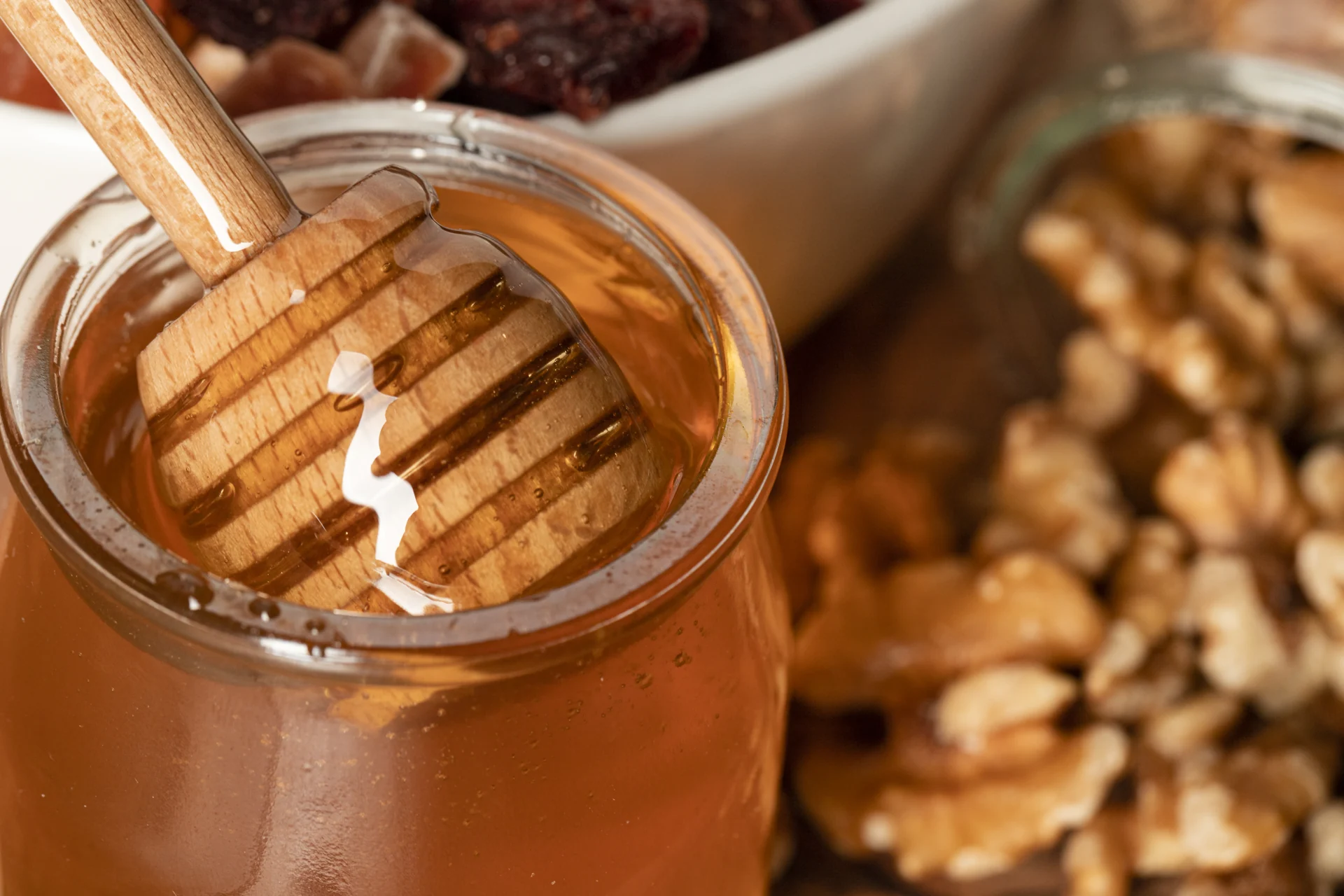
Honey and beekeeping products
Honey brings the work of bees and beekeepers to the table. Aroma and texture vary with origin and type; tasting a small selection can help you recognise the differences. For a jar to take home, choose an identifiable producer and check the origin on the label.
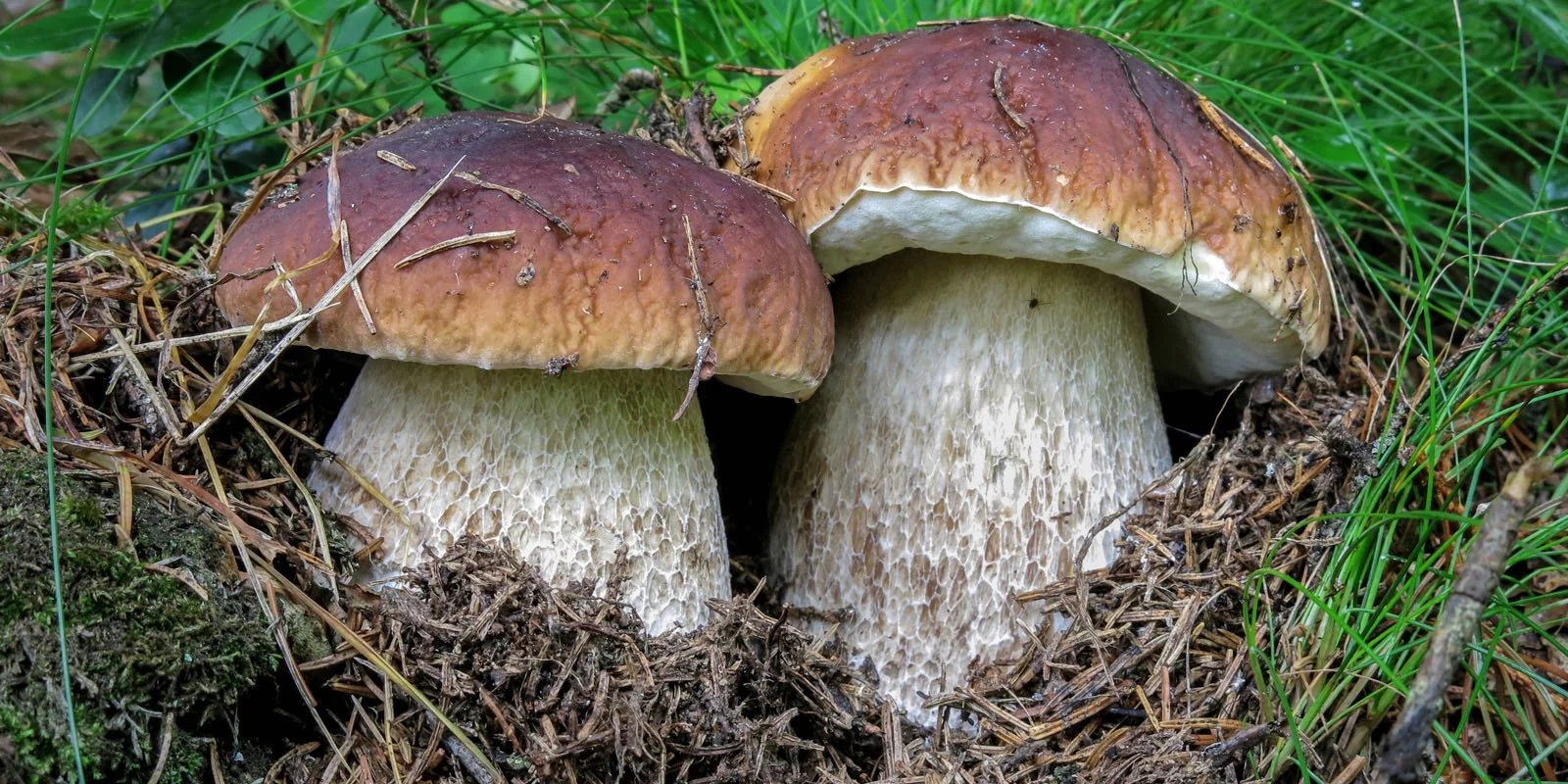
Mushrooms and woodland cooking
Mushrooms evoke the valleys’ woodland and appear in local cooking according to season and availability. On the plate, they reveal another side of the mountains. Discover them through a restaurant’s dishes; enjoying them at a meal does not imply collecting them independently in the woods.
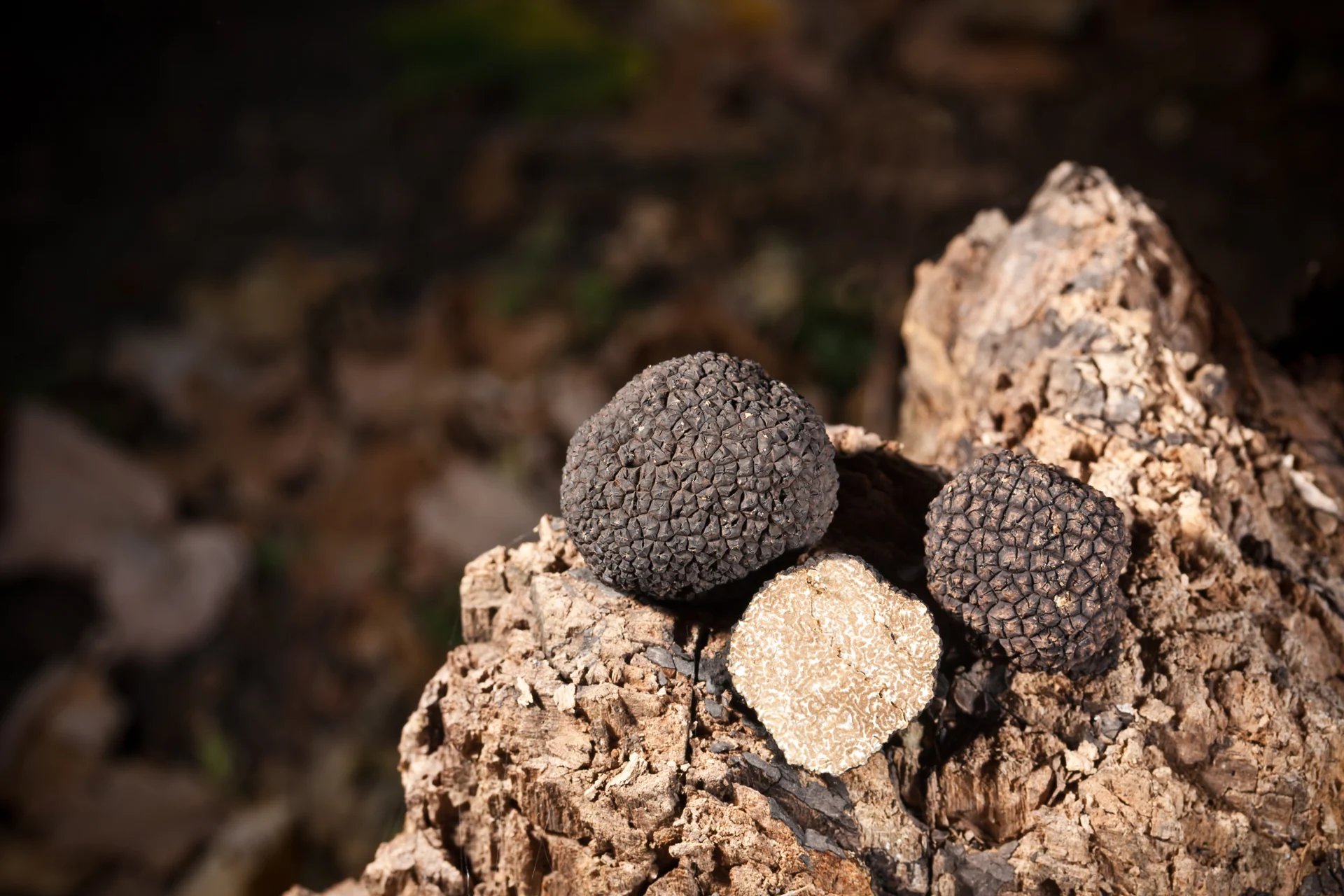
Truffles and products from the Pertiche
The Pertiche area, including Odeno in Pertica Alta, also has connections with truffles. Their aroma adds character to dedicated dishes and offers a reason to explore a less familiar side of the region’s food. Ask about events and menus available during your stay rather than assuming they are offered every day.
